Habitat for Africa Initiative — HomeHabitat for Africa Initiative (HAI)

Strategic projects

Large-scale developments and innovation programmes that demonstrate HAI’s delivery capacity and commitment to quality.

Large-scale delivery and innovation in housing and sustainable infrastructure—with community engagement and strong quality standards.

Residential buildings and housing development
Project 1

Construction of Housing Estates in Makurdi, Benue State

HAI is undertaking an ambitious project in Makurdi, Benue State, involving the construction of housing estates comprising a total of 5,000 units. The organization has secured land allocation, entered into Memoranda of Understanding (MOUs), and established the necessary legal frameworks to facilitate the development.

  • Scale and impact: 5,000 housing units to address affordable housing need and provide stable homes for families.
  • Community engagement throughout planning and construction so estates meet local needs.
  • Sustainable and eco-friendly practices where possible: energy-efficient design, waste reduction, renewable materials.
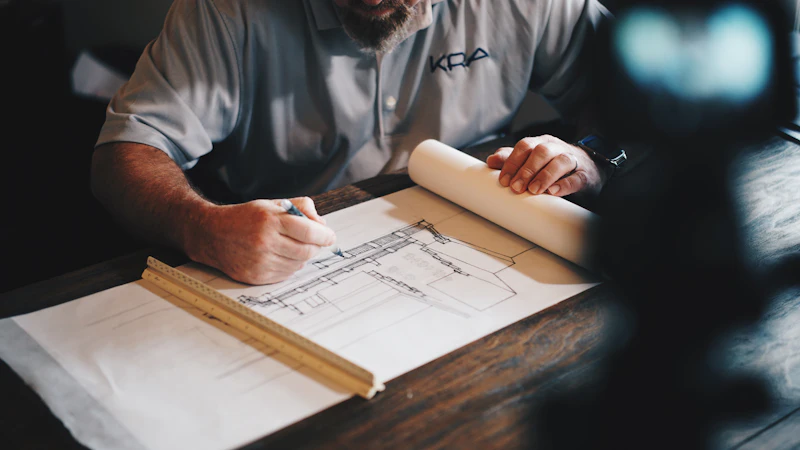
Construction and urban development site
Project 2

On-going Construction of Housing Estates in Plateau State

HAI is actively involved in the construction of housing estates comprising 10,000 units across four Local Government Areas in Plateau State. This ongoing project demonstrates a continued commitment to addressing housing challenges in diverse regions.

  • Regional diversity across multiple LGAs, tailored to each community.
  • Job creation through local labour, training, and employment.
  • High-quality construction standards for durability and sustainability.
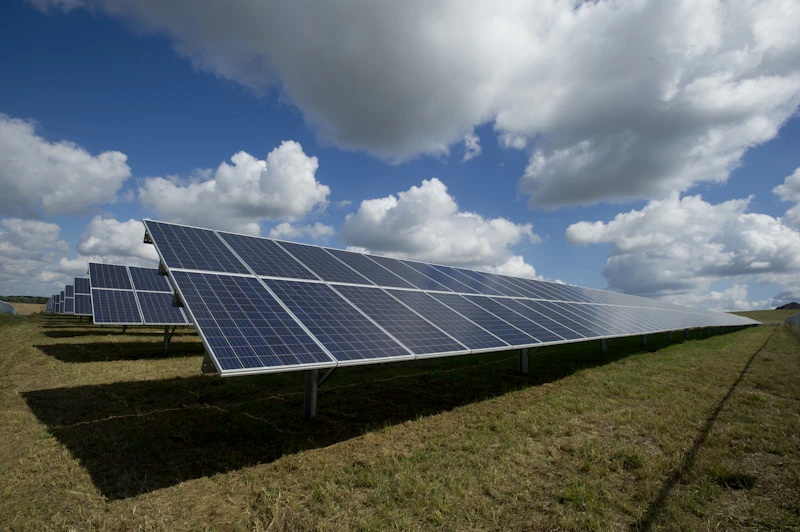
Solar panels and renewable energy infrastructure
Project 3

The First Energy Efficient and Smart Renewable Energy Market in Nigeria

HAI is pioneering the development of the first energy-efficient and smart renewable energy market in Nigeria—demonstrating a holistic approach to sustainable urban development beyond housing alone.

  • Innovation in infrastructure: smart grids, efficient lighting, renewable energy integration.
  • Financial inclusion: financing models and partnerships so benefits reach broad stakeholders.
  • Technical capacity building so communities can sustain and manage infrastructure.